
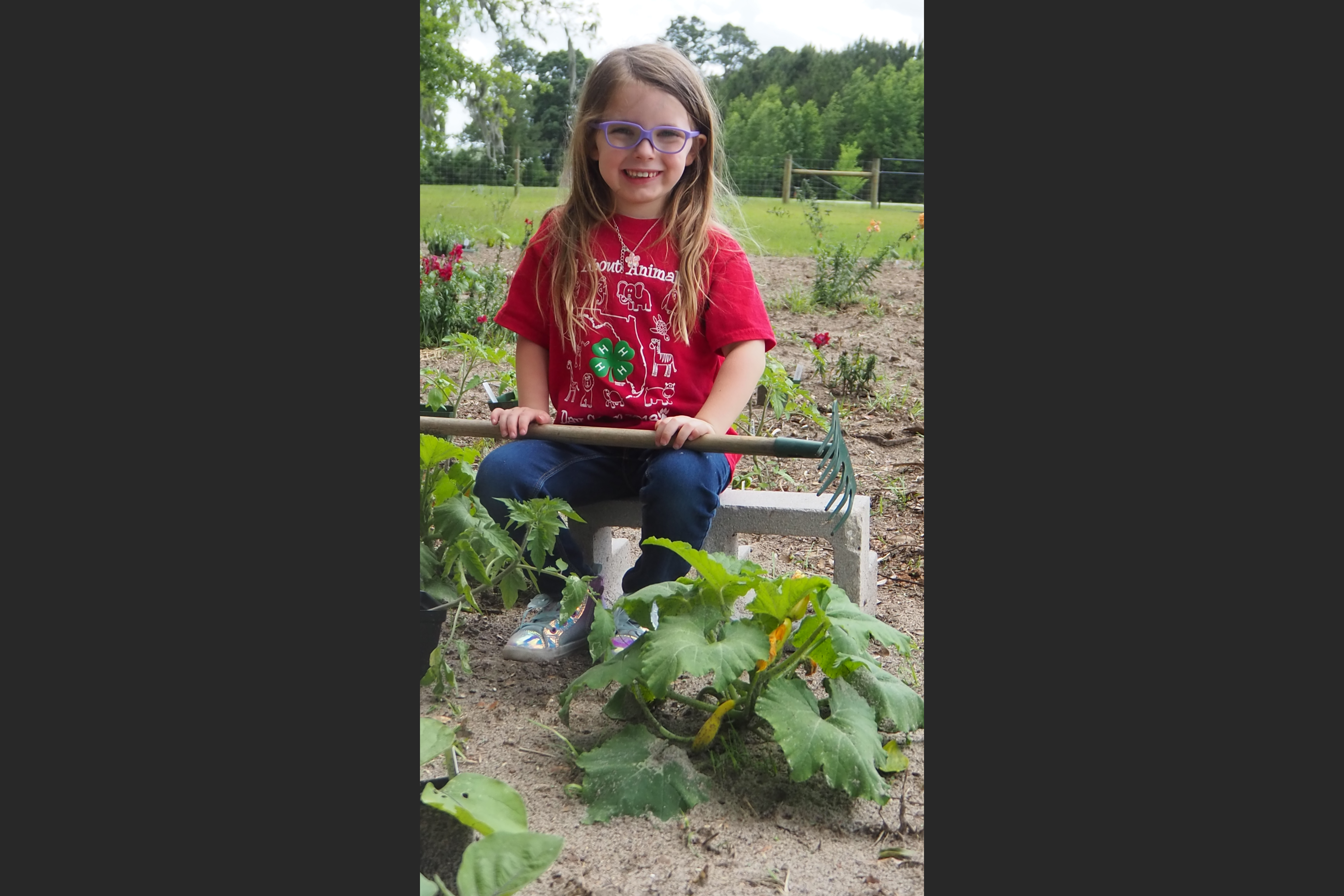
World War II-era “victory gardens,” encouraged by Uncle Sam as a way for citizens to stretch their rations, became a lasting example of perseverance in the face of hardship.
Inspired by that part of history, a homegrown initiative by agriculture experts aims to return gardening to its roots.
Victory Garden 2020, a free program launched by the Columbia and Marion County extension offices for the University of Florida Institute of Food and Agricultural Sciences, is an initiative to not only educate the public about the science of growing food, but to cultivate a sense of fellowship among gardeners.
“Victory gardens historically started about feeding the nation, but they also became a community connection, a link between people,” said Erin Harlow, a horticultural agent with the Columbia County IFAS office.
There’s been a surge of interest in gardening as a way to get fresh air without breaking social distancing guidelines, Harlow said.
“People just want to get outside,” she said.
It’s a hobby that’s meant to be shared, Harlow said. The Victory Garden 2020 program gives green thumbs and greenhorns alike an outlet to exchange advice, show off their progress and encourage one another online, she said.
“People are social distancing, but at the same time, they want to talk about their gardens,” she said.
Participants in the free program are granted access to a private Facebook group where they can satisfy that desire.
“Since we can’t come together, we wanted a place where gardeners could come together and have a sense of community,” Harlow said. “Give them a platform to make them feel like they’re a part of something.”
That’s far from all the Victory Garden 2020 initiative has to offer, she said.
IFAS will mail participants free seeds to help them get started, a combination of either corn, squash, cucumbers or cowpeas.
“It’s not a huge amount, but it’s enough to get them excited about it,” Harlow said.
One of the highlights of the program is an online course covering the science and history of growing food.
“And it’s self-paced, too,” she said.
After coming up with the idea for the Victory Garden 2020 program, the Columbia County IFAS office discovered that the Marion County office had a similar plan and joined forces.
A combined pool of seven staffers from both offices organized the program, which has exceeded 1,000 participants from 37 states, Harlow said.
For children, the program includes activities such as a journaling project, which has them record their garden’s progress in a book that can be mailed back to IFAS for a ribbon upon completion.
“It gets them to really think through the whole process,” Harlow said.
Speaking of books, there’s also adult and youth reading groups, she said.
If this all sounds like too much, the Victory Garden program is not an all-or-nothing proposition.
“They don’t have to commit to everything,” Harlow said. “They can pick and choose.”
A garden won’t replace the grocery store entirely, but it can feed a family several times a week if done well, Harlow said.
“It gives them that sense of security, access to fresh vegetables, locally grown — something you can be proud of,” Harlow said. “It’s definitely a great supplement.”